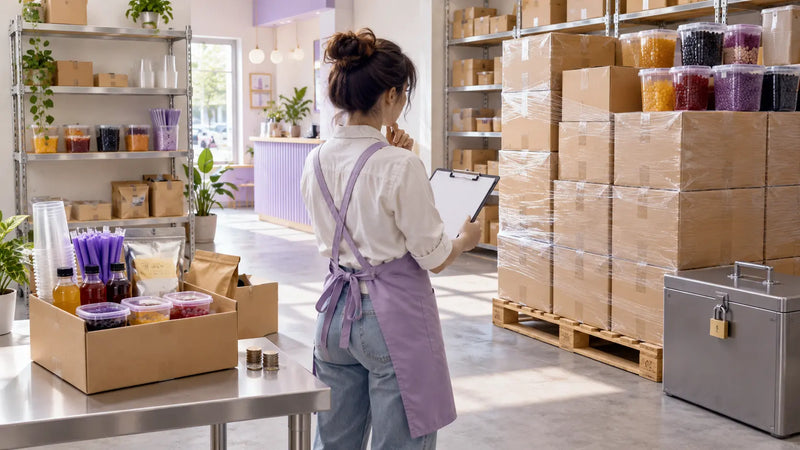
Bubble tea sells for £4.50 to £6.50 per drink in the UK, with an ingredient cost of £0.42 to £0.85 at wholesale. For a café that already has a kitchen, staff, and a regular customer base, that margin is one of the easiest wins on the menu. You do not need a full bubble tea setup to capture it.
Why Cafés Are Well Placed to Add Bubble Tea
Most cafés already have everything that makes bubble tea operationally viable. Refrigeration, a water boiler, counter space, and trained staff are all in place. The add-on cost is a fraction of what a dedicated bubble tea shop spends to open from scratch.
What Equipment a Café Actually Needs
A full dedicated bubble tea shop invests £3,000 to £7,000 in core equipment. A café adding bubble tea as a side menu needs significantly less. The full equipment breakdown for a standalone operation is in our milk tea shop equipment guide.
The One Non-Negotiable
A cup sealing machine is required for takeaway bubble tea. It applies the film lid that keeps drinks sealed and spill-free. Semi-automatic models start at £400 and handle comfortably up to 100 cups per day. Your cups and sealing film must match the machine diameter, so buy both from the same supplier.
What You Already Have
Most cafés can tick these off without any additional spend:
- Water boiler for brewing tea bases
- Commercial refrigeration for syrups, toppings, and dairy
- Measuring equipment
- Counter prep space
What You May Need to Add
- Shaker machine (£500 to £1,200) for consistent drink texture. A cocktail shaker works at very low volume but becomes inconsistent quickly.
- Tapioca pearl cooker or induction hob if you plan to serve classic pearls. Popping boba needs no cooking at all and is the simpler starting point.
- Fat straws (12mm diameter) if not already stocked
Building a Lean Café Boba Menu
Start with five to eight drinks. A sprawling menu adds ingredient complexity and staff training time before you know what your customers actually want.
Which Drinks to Lead With
Fruit teas are the easiest starting point for cafés. They use jasmine green tea as the base, fruit syrup, and popping boba as a topping. There is no milk, no creamer, and minimal prep. Understanding which tea base works best for each drink style is covered in our Chinese tea types guide.
Milk teas require a stronger base and a creamer or powder. They are higher margin and more filling, but they add one more ingredient category to manage. Brown sugar milk tea and taro milk tea are the two most popular in the UK market and a good place to start.
A Simple Starter Menu
- 2 fruit teas (mango, lychee, or passion fruit)
- 1 classic milk tea
- 1 matcha or taro milk tea
- 1 seasonal or signature drink
This covers the key categories, keeps your ingredient list short, and gives you a starting point to see what your customers order.
Ingredients to Stock for a Café Add-On
A focused café bubble tea menu needs far less stock than a dedicated shop. A lean opening order typically runs £300 to £600.
Essentials:
- Jasmine green tea (fruit tea base)
- Black tea or milk tea powder (milk tea base)
- 2 to 3 fruit syrups (mango, strawberry, passion fruit)
- Popping boba in 2 flavours
- Non-dairy creamer or taro powder
- PET cups, lids, sealing film, fat straws
Optional for later:
- Classic black tapioca pearls (if you want to add a traditional milk tea)
- Brown sugar syrup
- Matcha powder
Most of these ingredients have a shelf life of several weeks to months once opened. Fruit syrups and popping boba are the most time-sensitive. Storage guidance for each ingredient type is in our bubble tea ingredient shelf life guide.

Pricing and Margin
At wholesale ingredient costs of £0.42 to £0.85 per drink and a retail price of £4.50 to £6.00, the gross margin on a bubble tea sits between 75% and 85%. That is higher than most café drinks. Even adding packaging at £0.15 to £0.20 per cup, the margin holds strong. Price your bubble teas in line with your local market and do not undercut yourself on a high-margin product.
Allergen Labelling
Adding bubble tea to your menu means updating your allergen information. Under UK food law, you must be able to provide allergen information for every item you serve. Non-dairy creamers may contain milk protein (casein). Some tapioca pearl variants use honey. Syrups vary by brand. Check every ingredient label and update your allergen board before the first drink goes out.
Staff Training
Bubble tea does not require specialist skill, but consistency does require a brief training session. Cover the following before launch:
- Brewing tea bases to the correct temperature and strength
- Measuring syrups and fructose accurately per recipe
- Shaking technique and timing
- Pearl cooking process if you are serving tapioca (not required for popping boba)
- Sealing machine operation and cup compatibility
Most café staff are ready to serve bubble tea confidently within two to three hours of hands-on practice.
Common Mistakes Cafés Make
- Starting with too many drinks. A 20-drink menu sounds impressive but creates waste and slow service before you know what sells.
- Using a cocktail shaker instead of a shaker machine. Fine for testing, inconsistent at any real volume.
- Buying retail-grade ingredients. Wholesale pricing is essential for the margin to work. Retail-priced ingredients produce retail-priced costs on a wholesale-priced menu.
- Skipping the sealing machine. Push-on lids are not the same experience and signal to customers that the product is an afterthought.
- Not updating allergen information before adding the new menu items.
Conclusion
Adding bubble tea to a café menu is one of the lowest-friction ways to add a high-margin drink category without a significant investment. A sealing machine, a focused 5 to 8 drink menu, and a first ingredient order of £300 to £600 from Next Gen Boba is enough to start. Test it, see what sells, and scale your range once your volume is clear.
Frequently Asked Questions
Can a café add bubble tea without specialist equipment?
Almost. You need a cup sealing machine, which starts at £400. Most other requirements, such as refrigeration, a water boiler, and prep space, are already in place in a typical café kitchen.
How many drinks should a café start with?
Five to eight. Starting lean lets you test demand, reduce waste, and train staff quickly. Expand the menu once you know which drinks your customers are ordering.
What is the minimum ingredient order for a café trying bubble tea?
A focused starter range covering fruit teas and one or two milk teas typically costs £300 to £600 for the first order. You do not need a large initial investment to test the category.
Do I need to update my allergen information when adding bubble tea?
Yes. UK food law requires allergen information for every item on your menu. Non-dairy creamers, syrups, and some tapioca pearl variants all carry allergens to check and declare.
Is popping boba easier to serve than tapioca pearls in a café?
Yes. Popping boba needs no cooking and is ready to use straight from the jar. Tapioca pearls require boiling and have a 4 to 6 hour service window. For a café adding bubble tea as a side item, popping boba is the simpler starting point.
How much profit does a bubble tea drink make for a café?
At wholesale ingredient costs of £0.42 to £0.85 and a retail price of £4.50 to £6.00, gross margin runs between 75% and 85% per drink. Including packaging, it remains one of the highest-margin drinks a café can add to its menu.